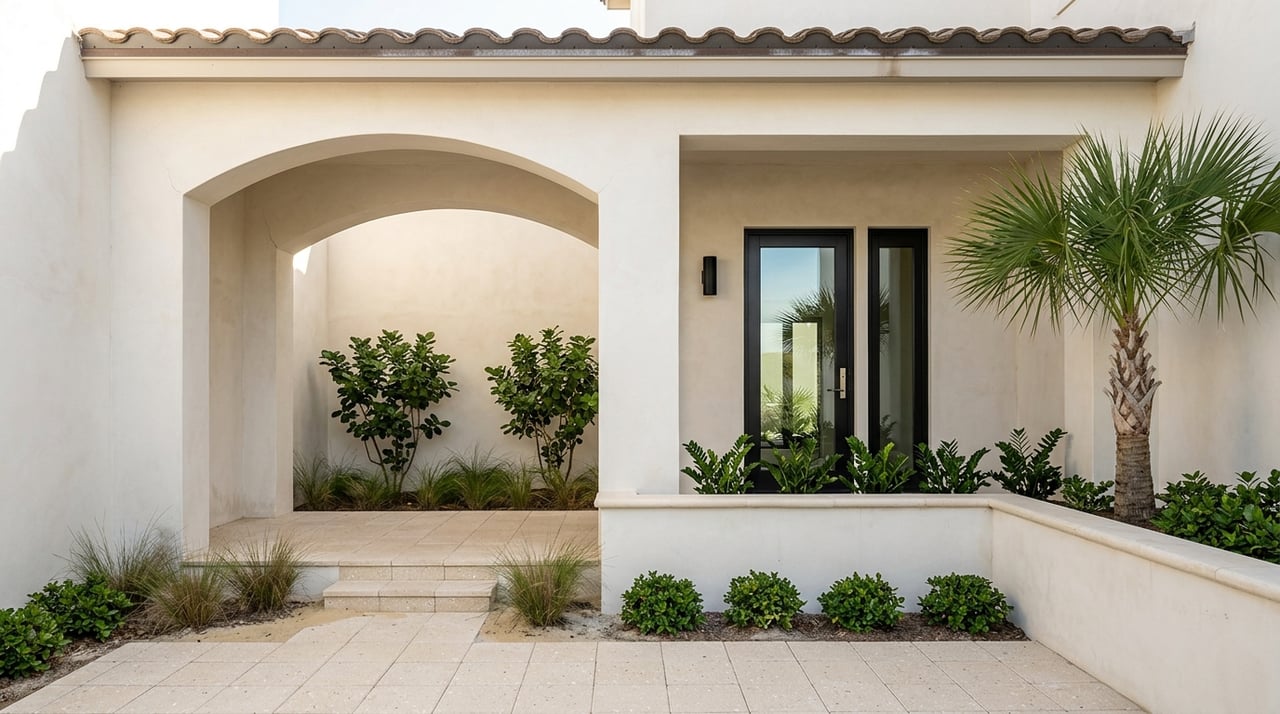
Wondering if a place near the ocean could actually work for your weekends, holidays, and future plans? If St. Augustine Beach has been on your radar, you are not alone. It offers that rare mix of relaxed coastal living, practical access, and a real housing market with options at different price points. Let’s look at what makes this area appealing for a getaway home, and what you should think through before you buy.
Why St. Augustine Beach fits a getaway lifestyle
St. Augustine Beach has a laid-back feel that works well for short stays and repeat visits. Around A1A Beach Boulevard, you will find cafés, surf shops, parks, oceanfront hotels, and easy access to the historic heart of St. Augustine. That walkable beach-area setting can make a second home feel usable right away, even if you are only in town for a few days at a time.
It also helps that the local market shows steady activity without feeling extreme. Current Realtor.com data shows a median listing price of $649,000, with 157 homes for sale, 18 homes for rent, and a median of 72 days on market. Homes are selling at about 97% of list price on average, which points to a balanced market where you can still make a thoughtful decision.
What kinds of homes you will find
St. Augustine Beach offers several ownership styles, which is important for getaway buyers. The area includes beach condos, condo-resort communities, detached single-family homes, and some multi-family or income-oriented properties. That variety gives you room to match the purchase to how often you plan to use it and how much upkeep you want.
For many buyers, condos are the easiest entry point. In condo-heavy pockets like St. Augustine Ocean & Racquet Club Condominiums, median listing prices are around $395,000. Condos can also make sense if you want lower day-to-day exterior maintenance while you are away.
Single-family homes offer a different kind of flexibility. In more house-oriented areas like Chautauqua Beach, median listing prices are around $937,000. If you want more privacy, extra storage, space for guests, or room to spread out for longer stays, a detached home may fit better.
Condos can simplify part-time ownership
If your goal is to come and go with less hands-on maintenance, a condo may be worth a closer look. UF/IFAS notes that many condominium communities handle some exterior maintenance during an owner’s absence. That can be helpful if you are not planning to live in the home full-time.
That said, less maintenance does not mean no planning. You will still want to understand what the association handles, what you are responsible for, and how often the property may sit vacant. Those details matter just as much as the view or the floor plan.
Houses offer more control
A single-family home may be a stronger fit if you want more independence over the property. You may have more freedom with storage, outdoor living, and the overall feel of the home. For buyers who plan to stay for longer stretches or eventually transition into more regular use, that flexibility can be a big advantage.
The tradeoff is that detached homes usually require more active oversight. Landscaping, storm prep, moisture control, and regular property checks all become more important when you own near the coast.
If rental income matters, check the rules early
Many buyers ask whether a getaway home can also help generate income. In St. Augustine Beach, that is not something to leave for later. The city states that transient rentals are allowed only in Commercial or Medium-Density Residential areas, and condo units follow a separate Business Tax Receipt process.
Owners also need to complete state licensing, city applications, and a building inspection, with annual renewals. In other words, rental potential is not just about whether a home looks vacation-friendly. It is also a zoning and operations question, so it should be part of your early due diligence.
What daily life feels like near the beach
A good getaway home should be enjoyable when you are actually there. St. Augustine Beach delivers a strong mix of beach access and casual recreation. Pier Park is a local anchor with beach access, bocce, fishing, parking, picnic tables, restrooms, showers, volleyball, and a water fountain.
The city also identifies places like Ocean Hammock Park and Lakeside Veteran’s Memorial Park as public amenities in the beach area. Parking and access points include Pier Park, Ocean Hammock, A Street, Lakeside Park, and other locations. That gives you multiple ways to enjoy the shoreline depending on where you buy.
Just off the sand, the area supports an easygoing coastal routine. Visit St. Augustine describes the district as home to cafés, restaurants, live music venues, surf shops, art galleries, and easy strolling along A1A. For a second-home owner, that matters because convenience often shapes how often you actually use the property.
Weather matters more than the brochure
Beach living is appealing, but it comes with real planning needs. Climate normals for the St. Augustine Lighthouse show January average highs of 67.5°F and lows of 47.8°F, while July averages 91.0°F and 73.8°F. Annual precipitation averages 50.64 inches, with the heaviest rain in August and September.
If you love warm weather and coastal access, that may sound like a fair trade. Still, you should think honestly about when you plan to visit and how comfortable you are with summer heat, humidity, and rainy-season patterns. The best getaway home is one that matches your actual use habits, not just your ideal ones.
Hurricane season is part of ownership
The Atlantic hurricane season runs from June 1 through November 30, with activity especially peaking from August through October. St. Johns County advises coastal homeowners to plan around storm surge, flooding, evacuation zones, and evacuation routes before a storm is approaching. For second-home owners, that is essential.
A beach home is usually not a set-it-and-forget-it property. You need a plan for securing the home, checking on it, and knowing what steps to take if a storm is forecast while you are out of town.
Flood zones and insurance deserve early review
Before you fall in love with a property, make flood-risk review part of your process. St. Johns County notes that most standard homeowners policies do not cover flood damage, and flood insurance carries a 30-day waiting period. The county floodplain team can also issue flood-zone determinations.
This is one of the most important practical steps for any coastal purchase. It affects not only your monthly cost, but also your comfort level as an owner. If a home is in a Special Flood Hazard Area, permits and building requirements may also come into play under county and Florida Building Code rules.
Know your evacuation route before closing
For a beach property, evacuation planning is not just a storm-season detail. It is part of smart ownership. St. Johns County says Zone A covers most low-lying coastal areas, and the City of St. Augustine Beach evacuation route goes north to SR-312 and then across the 312 Bridge toward I-95 or points west.
Knowing your zone and route before closing gives you a more complete picture of what ownership looks like. It is practical information, but it also helps you decide whether the location fits your comfort level for seasonal use.
Beach driving and access rules to know
Beach access is one of the biggest lifestyle draws here, but it is regulated. St. Johns County says about 12 miles of beaches allow vehicular access, depending on weather, sand conditions, and tides. A valid beach-driving pass is required from March through September.
There are also seasonal rules tied to sea turtle nesting. County rules say gates close nightly during nesting season from May 1 through October 31, and the city police page notes beach driving is prohibited from 7:30 PM to 8:00 AM during that season. If beach driving matters to you, it is worth understanding these rules before you buy.
What to think about when the home sits empty
One of the biggest second-home mistakes is underestimating vacancy care. UF/IFAS advises owners who leave Florida homes for extended periods to clean and dry the interior, service the air conditioner, seal windows and doors against moisture, arrange landscaping, and have a trusted person check on the home. That guidance is especially relevant near the coast.
Humidity, storms, mildew, pests, and corrosion can affect an unoccupied property. So while the lifestyle may feel easy, ownership still takes structure. If you want your getaway home to stay enjoyable, you need a plan for maintenance, inspections, and routine check-ins.
So, is St. Augustine Beach right for you?
St. Augustine Beach can be a strong fit if you want frequent personal use, easy beach access, and a lively but relaxed coastal setting. It offers a mix of condos and single-family homes, walkable stretches near A1A, and a market with different price points depending on the ownership style you prefer. For many buyers, that creates a realistic path to owning a place near the ocean.
The best fit usually comes down to your priorities. If you are comfortable with storm-season planning, flood-zone review, vacancy maintenance, and local rental rules when needed, this area may check a lot of boxes. If you want help comparing neighborhoods, property types, and ownership tradeoffs, Christina McIntosh can help you build a clear plan and buy with confidence.
FAQs
Is St. Augustine Beach a good place for a second home?
- Yes, St. Augustine Beach can be a strong second-home location if you want beach access, a relaxed coastal setting, and easy access to shops, dining, and the wider St. Augustine area.
Are condos or houses better for a St. Augustine Beach getaway home?
- It depends on your goals. Condos may offer lower exterior maintenance, while single-family homes may give you more space, privacy, and control.
Can you use a St. Augustine Beach home as a short-term rental?
- Possibly, but you need to verify local zoning and licensing rules early because transient rentals are only allowed in certain areas and require approvals, inspections, and annual renewals.
What is the median home price in St. Augustine Beach?
- Current Realtor.com data shows a median listing price of $649,000, though pricing varies widely by property type and location.
What weather risks should buyers consider in St. Augustine Beach?
- Buyers should plan for heat, humidity, heavy late-summer rain, hurricane season, flood risk, and the practical needs of owning a coastal property that may sit vacant part of the year.
What should you check before buying a beach home in St. Augustine Beach?
- Review property type, flood zone, insurance needs, evacuation route, vacancy maintenance plans, and any rental restrictions that may affect how you use the home.