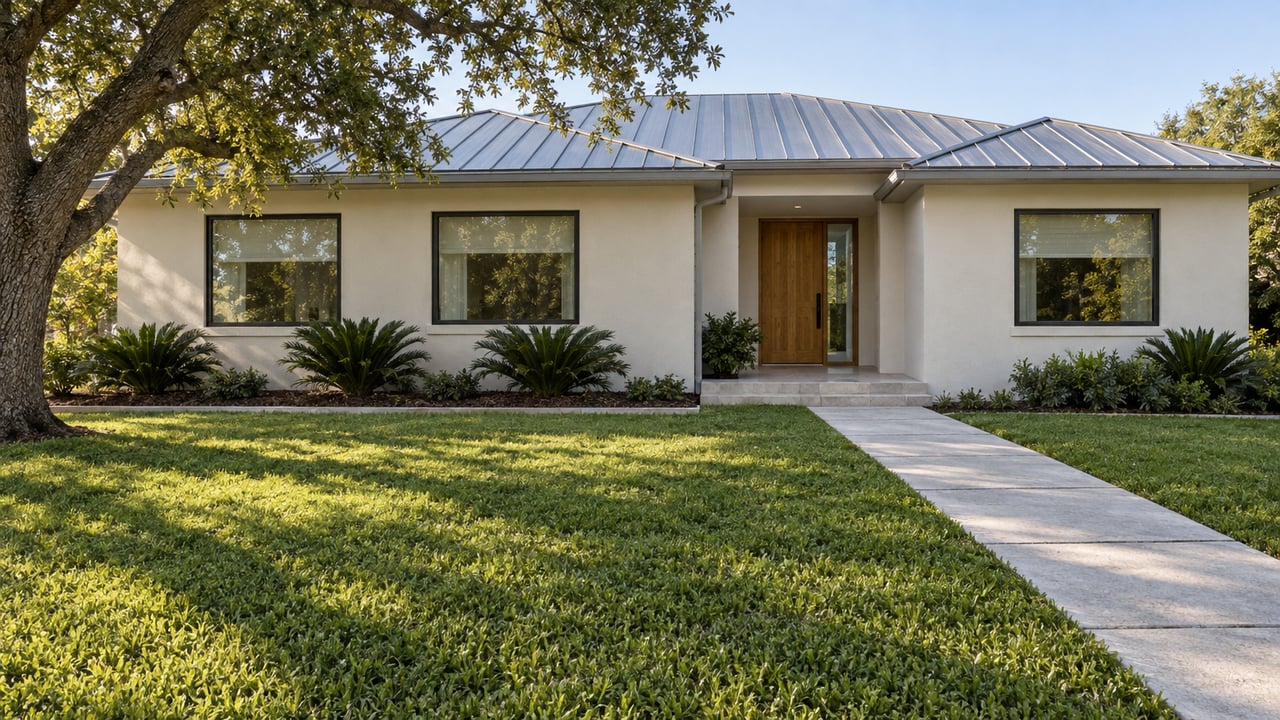
Wondering if building in Nocatee is the right move for you? You are not alone. For many buyers, the idea sounds exciting until the choices, timelines, fees, and builder details start to feel like a lot. The good news is that building here becomes much more manageable when you break it into clear steps and know what to verify early. Let’s dive in.
Start With How You Want to Live
Nocatee is a master-planned community in Ponte Vedra with a mix of neighborhoods, parks, recreation, shopping, offices, and dining. That means your decision is usually bigger than choosing a floor plan. You are also choosing a setting, amenities, and the day-to-day lifestyle that fits you best.
A helpful first stop is the Nocatee Welcome Center, which is designed to give buyers an overview of neighborhoods, model homes, amenities, and community features. This can help you narrow your options before you start comparing builders in detail. It is an efficient way to get your bearings, especially if you are relocating or trying to compare several sections of the community.
Inventory also changes fast in Nocatee. Some neighborhoods are already sold out, while others may have final opportunities. If you have your heart set on a certain lot type, builder, or neighborhood feel, early planning matters.
Compare Neighborhood Types First
Before you get attached to a specific home design, look at the neighborhood format. In Nocatee, different areas support very different ownership experiences. That can affect your budget, maintenance expectations, outdoor plans, and even how quickly you need to make decisions.
Current options include townhomes, villas, gated neighborhoods, and neighborhoods with their own amenities. For example, Woodland Park is townhome living, Crosswinds includes villa-style and single-family options, and Reflections at Seabrook offers wooded home sites with water views. That variety is a big advantage, but it also means the best choice depends on your priorities.
If you are considering a custom or estate-style build, River Landing is a very different type of purchase. It includes 104 estate homesites ranging from about one-half acre to one acre, with preserve and waterfront options. In that kind of neighborhood, the homesite itself often drives the decision as much as the home design.
Choose Your Lot With the Long View
A lot is more than square footage and a pretty view. In Nocatee, lot selection should also include how the site will function for your future plans. If you are already thinking about a pool, fence, outdoor kitchen, landscaping, or play space, it is smart to consider those goals before you commit.
This matters even more in neighborhoods with stricter architectural review rules. Nocatee ARB manuals show that visible exterior changes may require approval and can be subject to rules about fences, screening, driveway materials, landscaping materials, and other outdoor features. In some neighborhoods, even fence placement and fence type may be tied to the lot plan.
For buyers looking at River Landing, the details are especially important. Preserve homesites are mostly left natural, and waterfront homesites are also left natural. Waterfront homesites include private dock permits, which may be a major factor if water access is part of your vision.
Understand the Builder and Lot Purchase Terms
One of the biggest surprises for build buyers is how structured the purchase process can be. In River Landing, buyers must be prequalified before submitting a commitment. If accepted, the developer prepares the Purchase and Sale Agreement, and the agreement must be executed within three business days.
Deposits also vary by homesite type. According to the River Landing FAQ, the deposit is $25,000 for preserve or lake homesites and $50,000 for waterfront homesites. There is also a 30-day inspection period after contract, and the homesite purchase is not assignable.
The key takeaway is simple: a beautiful lot can still come with strict terms. Before you move forward, make sure you understand the deadlines, deposit structure, qualification requirements, and any financing or cash thresholds tied to that homesite.
Ask About CDD and HOA Costs Early
When you build in Nocatee, the monthly payment is only part of the picture. Buyers should also budget for Community Development District assessments and HOA fees. These recurring costs can vary by neighborhood and should be confirmed before you commit.
The Tolomato CDD brochure explains that annual capital and operations-and-maintenance assessments appear on the property tax bill. Those assessments help fund public improvements such as roadways, parks, trails, landscaping, stormwater systems, and other infrastructure. The exact annual amount depends on the specific neighborhood and property.
That is why I recommend asking for these numbers upfront:
- Exact annual CDD assessment for the property
- HOA fee amount and billing schedule
- Any neighborhood-specific gate or amenity costs
- What is included versus what is separate
Those details can change your comfort level with a lot, a builder, or even a neighborhood choice.
Treat the Design Center Like a Budget Meeting
Once you are under contract, design decisions become a major part of the process. Many builders in Nocatee offer structured design tools or design studio appointments where you will choose finishes, upgrades, and other selections. This is exciting, but it also affects both your timeline and your bottom line.
It helps to go in with priorities already ranked. Decide what matters most to you before the appointment. For some buyers, that is kitchen finishes and flooring. For others, it is structural options, storage, or outdoor living features.
A practical way to stay grounded is to split your choices into three buckets:
- Must-have features you do not want to change later
- Nice-to-have upgrades if the budget allows
- Items you can update after closing if needed
That approach can help you avoid over-improving in a rush or spending heavily on cosmetic items while overlooking more important long-term choices.
Know How County Inspections Work
County inspections are not a formality. In St. Johns County, the permit holder or authorized agent must notify the building official when work is ready for inspection. Work cannot proceed past each required inspection stage without approval.
The county also states that final inspection is required after the work is complete, and occupancy is unlawful before a Certificate of Occupancy or Certificate of Completion is issued. If plan changes are made, they must be resubmitted for approval before the work is done. Contractors must also be licensed and registered, and permits are required for most improvements.
For you as a buyer, this means timing matters. Delays can happen if a stage is not approved, if work is changed without approval, or if documentation is incomplete. A well-managed build process depends on keeping those moving parts organized.
Add Private Inspections to Your Due Diligence
New does not mean perfect. Even with county inspections, many buyers choose independent inspections during key phases of the build. That extra step can help you catch issues before they become harder to fix.
Florida Realtors recommends phase inspections for new homes. A pre-drywall inspection can review framing, plumbing, electrical, and ducting before the walls are closed. A final punch-out inspection is also commonly done before closing.
Many buyers also schedule one more inspection around the 10- to 11-month mark. That timing can help identify concerns before the builder’s one-year warranty period ends. It is a smart way to stay proactive rather than reactive.
Create a Clear Punch List Before Closing
As the home nears completion, your focus should shift to documenting every unfinished or imperfect item. That is your punch list. It can include cosmetic issues, incomplete work, missing items, or repairs that still need attention.
The safest approach is to keep everything in writing. Track what was noted, when it was addressed, and what still needs follow-up. Good records can make the final stretch much smoother.
This is especially important because warranty follow-up matters after closing too. Florida law now requires a builder warranty for certain construction defects resulting in a material violation of the Florida Building Code for one year after conveyance or initial occupancy, unless the builder’s express written warranty is at least as protective.
Keep Warranty Deadlines on Your Radar
After closing, stay organized. Review the builder warranty documents carefully and note all deadlines. If something needs attention, submit warranty claims in writing and keep copies of your communications.
This is one of the easiest places for buyers to lose momentum. Life gets busy after a move, and small concerns can pile up. A simple calendar reminder system can help you stay ahead of that one-year mark.
I usually recommend keeping a running home log with:
- Photos of issues as they appear
- Dates when concerns were reported
- Copies of builder responses
- Service appointments and outcomes
- A reminder for the 10- to 11-month inspection window
That kind of documentation helps you protect your investment and makes conversations with the builder much easier.
A Simple Step-by-Step Plan
If you want to keep the process from feeling overwhelming, follow this order:
- Choose the right neighborhood type for your lifestyle and goals.
- Evaluate the lot carefully, including outdoor plans and ARB rules.
- Review builder and lot contract terms before committing.
- Confirm CDD, HOA, and other recurring costs early.
- Prepare for design center decisions with a clear budget strategy.
- Track inspections and construction milestones closely.
- Document the final punch list and warranty items in writing.
Building in Nocatee is absolutely doable when you treat it like a sequence of decisions instead of one giant leap. With the right plan, you can move forward with more clarity, fewer surprises, and a lot more confidence.
If you are thinking about building in Nocatee and want a calm, hands-on guide through the process, Christina McIntosh can help you compare neighborhoods, evaluate lots, and stay organized from contract to closing.
FAQs
What should you do first when building in Nocatee?
- Start by comparing neighborhood types, amenities, and available inventory so you can narrow down where you want to build before focusing on floor plans.
What costs should you ask about before buying a lot in Nocatee?
- Ask for the exact CDD assessment, HOA fee, and any neighborhood-specific gate or amenity costs tied to the property.
What rules should you review before choosing a homesite in Nocatee?
- Review the neighborhood ARB guidelines because exterior features like fences, pools, landscaping, lighting, driveways, and screening may require approval.
What inspections matter during a new construction home build in St. Johns County?
- County inspections are required at key stages, and many buyers also add private inspections such as a pre-drywall inspection, a final inspection, and an 10- to 11-month warranty inspection.
What should you track before and after closing on a Nocatee new build?
- Keep a written punch list, save all builder communication, track repairs, and document warranty issues with dates and photos.