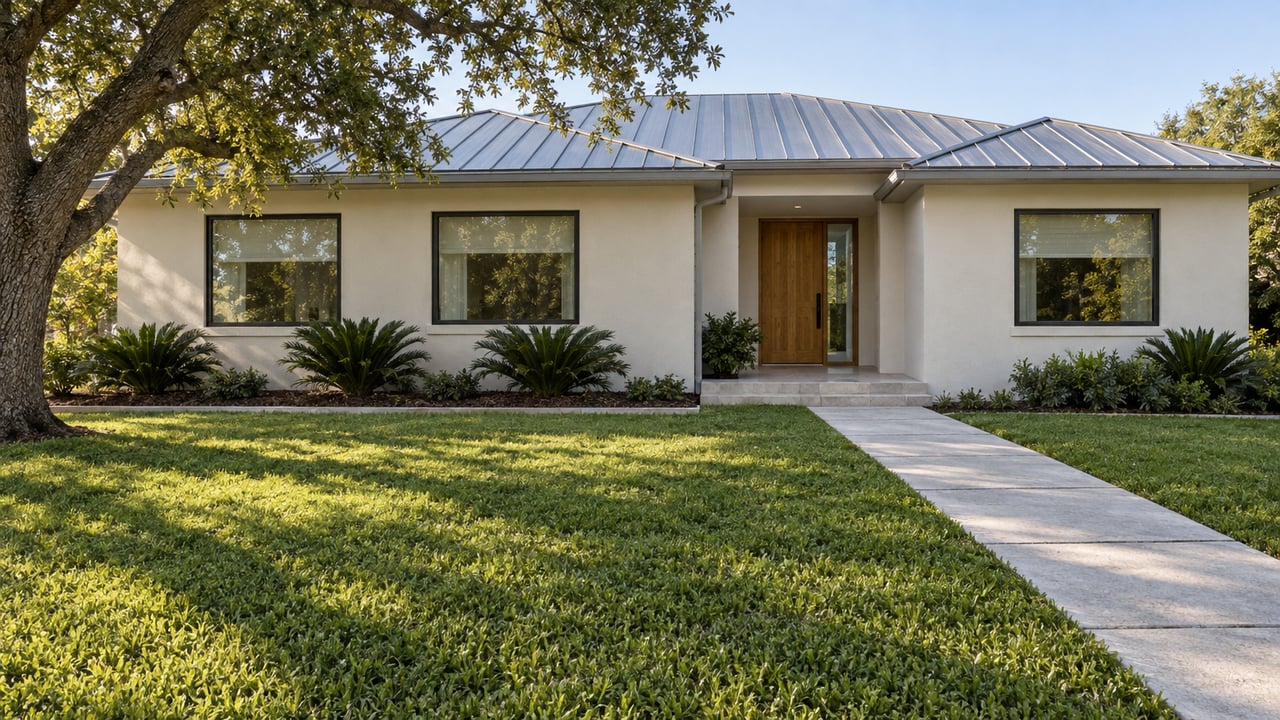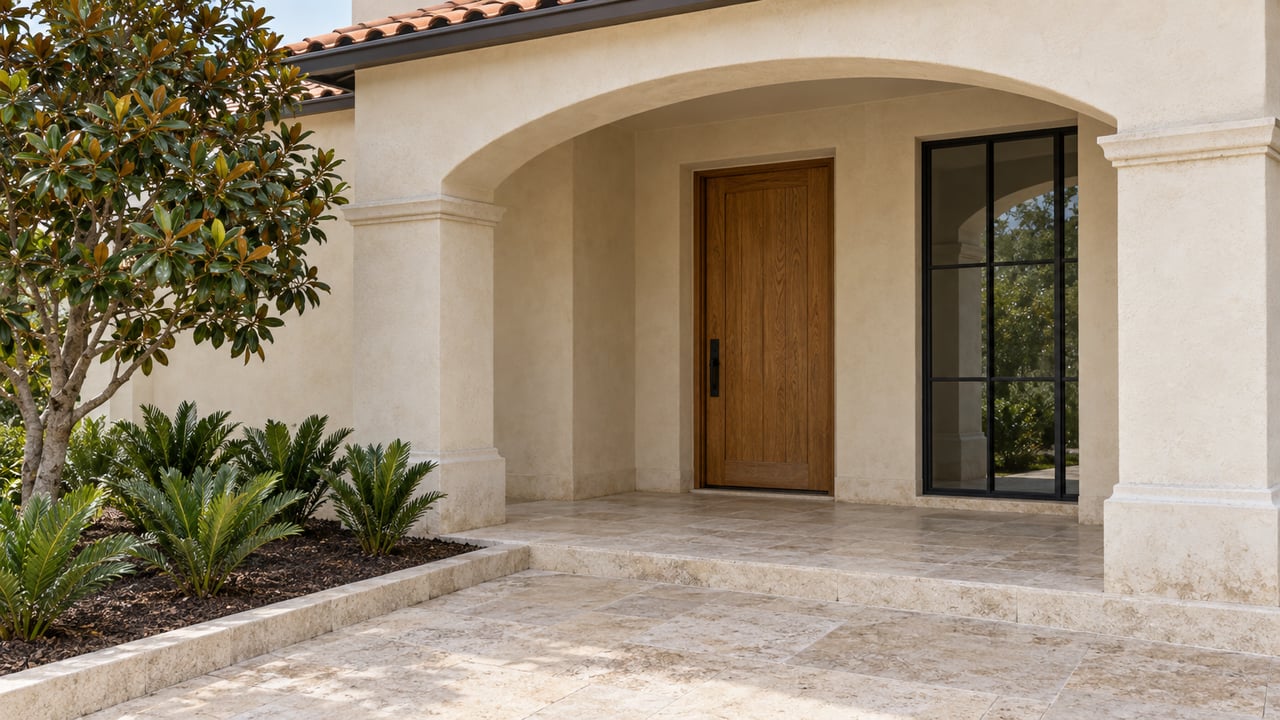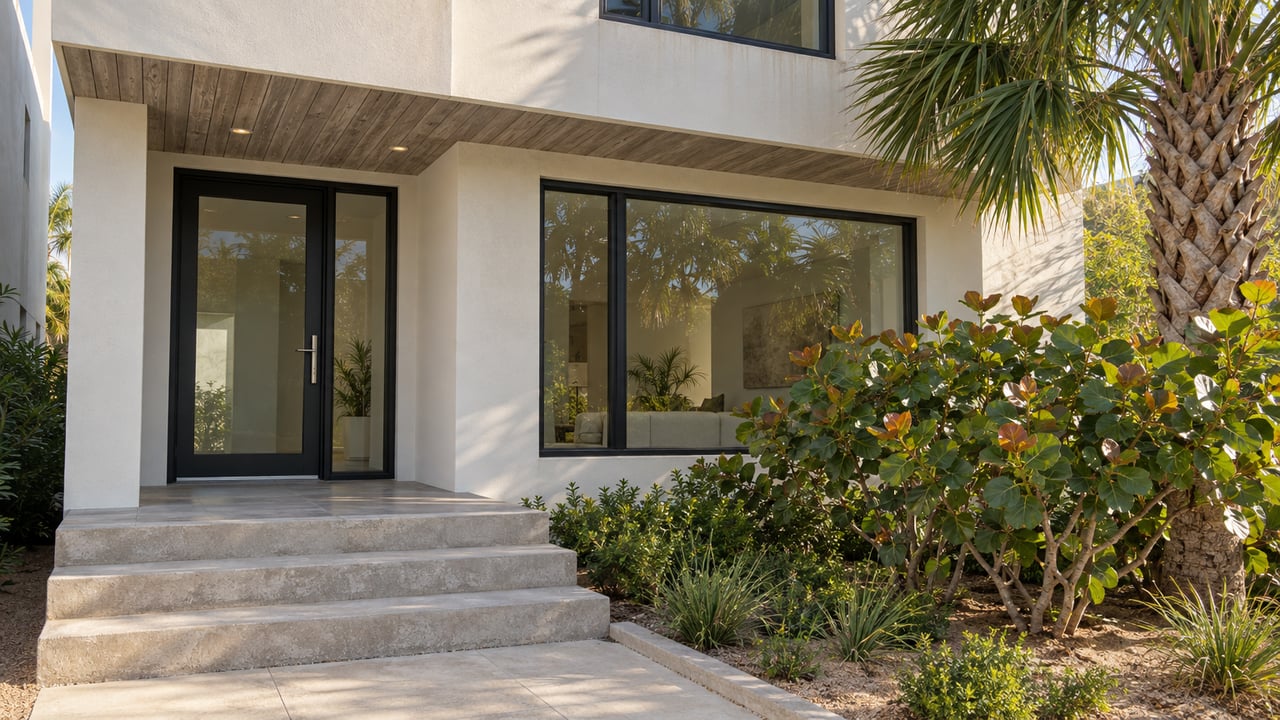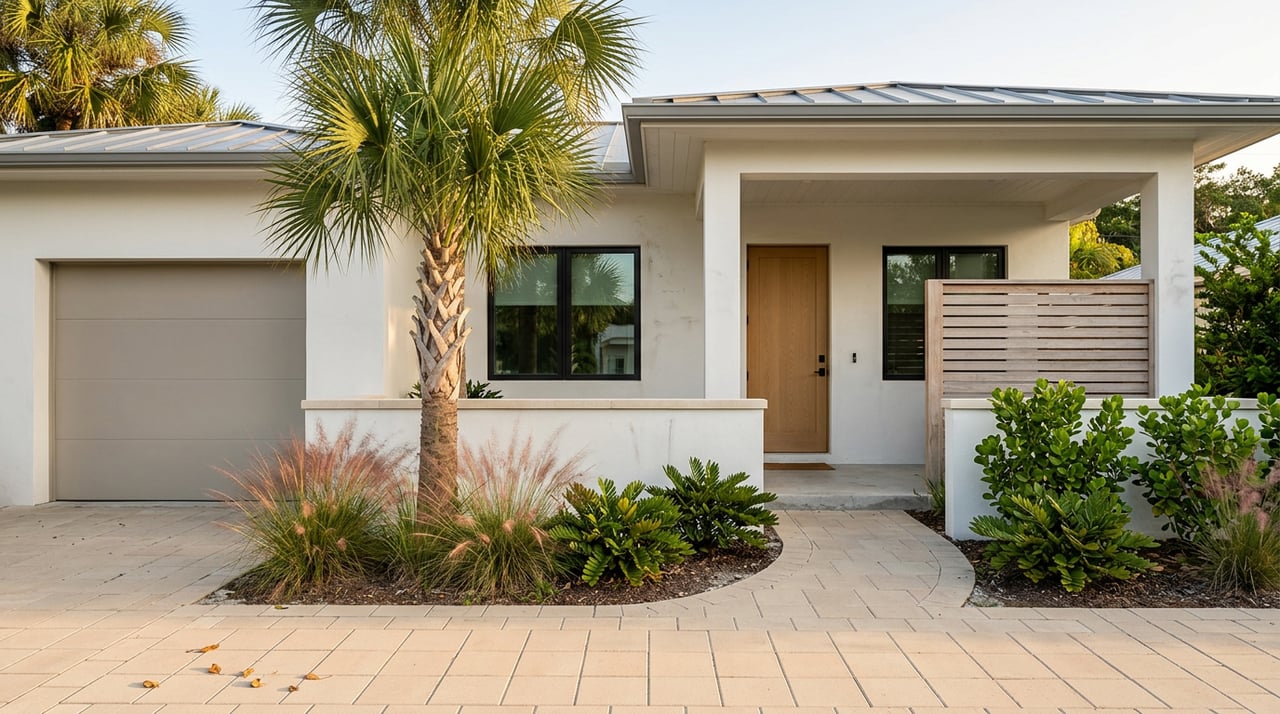
Dreaming of less upkeep and more beach time without giving up comfort? You are not alone. Neptune Beach is a small, walkable coastal city where about 20.7% of residents are 65 or older, and the median owner‑occupied home value is about $613,500, according to U.S. Census QuickFacts. You will find a high‑value market with limited inventory, and reported medians often vary by data source because of timing and sample size. In this guide, you will compare condos and smaller single‑family homes in Neptune Beach so you can match your lifestyle with the right property. Let’s dive in.
Why Neptune Beach works
Neptune Beach covers roughly 2.34 square miles on Florida’s northeast coast and sits steps from Beaches Town Center amenities and the Atlantic. The city’s compact size, bike‑friendly streets, and easy beach access appeal to downsizers who want daily simplicity. A resident permit through the North Beaches Parking program can add convenience when you host or head to dinner near the beach. With strong household incomes and a sizable older population, local services and social programs are close at hand.
Clarify your downsizing goals
Before you compare property types, get clear on what matters most:
- How many months per year will you live here full‑time vs seasonal?
- Do you want zero yard work, or do you enjoy gardening?
- Is single‑level living a must, or do you need an elevator or ground‑floor option?
- How important are private outdoor spaces vs immediate beach access and views?
- How much month‑to‑month cost variability can you tolerate?
- Do you prefer amenities and convenience, or maximum privacy and independence?
- Will you need dedicated parking or storage for beach gear? Check local permit rules.
Condo life in Neptune Beach
What dues typically cover
Condo fees usually cover exterior building maintenance, common areas and grounds, trash, shared utilities in some buildings, pool or amenity upkeep, and the association’s master insurance policy. You trade unpredictable repair bills for a predictable monthly fee, which can be helpful on a fixed income. That fee can rise, and some buildings levy special assessments to meet state reserve and inspection requirements. Recent coverage shows dues have been under upward pressure as associations fund reserves and compliance needs, so factor that trend into your budget, as noted by a 2026 analysis of HOA fees and assessments (source on fee trends).
Lock‑and‑leave convenience
If you split time between states or travel often, a condo offers simplicity. Many buildings include secured entries, elevators, and on‑site or professional management. Landscaping, exterior upkeep, and amenity care are handled for you, which reduces vendor coordination when you are away. That peace of mind is a major draw for snowbirds and frequent travelers.
Insurance and what you insure
Florida condominium associations carry a master policy that insures the building as originally constructed under Chapter 718 of the Florida Statutes. As a unit owner, you carry an HO‑6 policy for your interior finishes and personal property, and for liability. Ask the association to provide the master policy’s coverage summary and windstorm deductible, and whether loss assessments could be passed to owners after a storm. Reserve health, deductibles, and assessment history will affect your total cost of ownership.
Flood and coastal factors
Neptune Beach properties are mapped on FEMA’s Flood Insurance Rate Maps, and some sit in Special Flood Hazard Areas. Start with the city’s floodplain guidance to understand local risk and map zones (Neptune Beach flood information). Then run an address lookup using FEMA’s tool to confirm the zone and base flood elevation for any property you are considering (FEMA Flood Map Service Center). FEMA’s Risk Rating 2.0 also changed how NFIP premiums are priced, moving to an address‑specific model that can raise or lower premiums depending on the property’s risk profile (Risk Rating 2.0 overview). Always get a flood quote for the exact address before you make an offer.
Parking and guests
If you choose a condo near Beaches Town Center, parking rules can shape your day‑to‑day. Learn how the North Beaches Parking program handles resident permits, guest parking, and paid hours. If you plan to host family often, look for deeded spaces or easy guest access.
Smaller single‑family homes
Maintenance you control
Right‑sized houses give you independence, but you are responsible for the roof, exterior, yard, and all systems. Monthly costs may look lower without HOA dues, yet coastal weather can mean more frequent exterior upkeep. Salt air, wind, and occasional tropical storms can increase maintenance needs, so keep a reserve for repairs.
Privacy and outdoor space
If you value private outdoor living, a small single‑family home can be ideal. You gain a yard for gardening, grilling, and storing beach gear, and you will not share walls or corridors. Many Neptune Beach homes sit within walking or biking distance of the sand and Town Center, so you keep proximity to the beach while enjoying your own space.
Lock‑and‑leave considerations
A house can still work for travel, but plan for lawn care, hurricane prep, and vendor check‑ins when you are away. Property managers and local service pros can help, though this may add recurring costs. If you want a near hands‑off routine, carefully compare the total price of vendor services to a condo’s bundled dues.
Flood and wind: plan ahead
Whether you choose a condo or a house, Neptune Beach buyers should price insurance into the decision. Start with city resources on local flood risk (Neptune Beach flood information). Then use FEMA’s address lookup to confirm the flood zone for the exact property (FEMA Flood Map Service Center). Because Risk Rating 2.0 sets NFIP premiums by property characteristics, two homes on the same street can have different premiums (Risk Rating 2.0 overview). Secure both NFIP and private market quotes early, and ask your lender what is required for your loan type.
Florida condo rules that matter
Milestone inspections
Under Florida Statute 553.899, condominium buildings three stories or more must complete a milestone structural inspection at 30 years of age (some coastal areas require it at 25 years) and then every 10 years after. Associations must share an inspection summary with owners. When you consider a condo, confirm whether the building has completed its inspection and whether any Phase 2 repairs are required.
Reserve funding and SIRS
Florida’s condominium law requires reserve funding for key components, and recent changes tightened rules for structural items through structural integrity reserve studies (SIRS). Review the building’s most recent reserve study and budget, and look for the funding plan that supports upcoming projects. See the reserve rules under Chapter 718.112. Healthy reserves help reduce the risk of sudden assessments.
Due diligence for condo buyers
Request these documents and confirmations during your investigation. Your agent can help you secure them and read the highlights.
- Resale or estoppel package: declaration, bylaws, rules, FAQs, current budget, and year‑end financials. A practical overview of what the HOA covers and the reserve balance is often included. For a helpful checklist of typical pre‑sale documents, review this guide on presale condo documents buyers request.
- Reserve study and any SIRS: check the date, recommended work, costs, and funding timeline.
- Milestone inspection reports: verify completion status and whether Phase 2 repairs are required, per 553.899.
- Insurance declarations: master policy limits, wind/hurricane deductible, flood coverage for common elements, and any loss‑assessment provisions.
- Meeting minutes: read 12 to 24 months for signs of upcoming projects, litigation, or budget changes.
- Litigation summary and vendor contracts: open cases or long‑term vendor deals can affect future costs.
- Management agreement: learn whether a professional manager oversees the property and how often reserves and budgets are updated.
Red flags to watch
- Large or repeated special assessments in the past 3 to 5 years.
- SIRS or milestone reports that recommend significant work without a clear funding plan.
- Low reserves relative to the reserve study’s recommended targets.
- High master policy deductibles with unclear owner responsibility after a loss.
- Ongoing litigation that could result in a large judgment against the association.
Local quality‑of‑life notes
- Parking: For beach‑area living, confirm deeded parking or garage space and review guest policies. The North Beaches Parking program explains resident permits and paid parking windows near Town Center.
- Senior services: The Neptune Beach Senior Activity Center offers classes and social programs, and Duval County provides senior services and transportation options. For many downsizers, this support network is a major plus.
Which is right for you?
Choose a condo if you want simplicity, amenity access, and true lock‑and‑leave living. Choose a smaller single‑family home if you value privacy, yard space, and full control of your property. In both cases, plan ahead for coastal insurance and confirm the numbers before you commit.
Here is a simple next‑step plan:
- Get current, property‑specific flood quotes and a wind policy estimate before making an offer.
- If considering a condo, review the latest budget, reserve study, milestone report, and insurance declarations.
- If considering a house, price upcoming exterior projects and yard care into your total cost.
- Ask for an MLS‑level price check for your short list to cut through conflicting online medians.
When you are ready to compare specific addresses, I will help you weigh tradeoffs, review documents, and estimate true monthly costs so you can decide with confidence. To start your downsizing plan in Neptune Beach, connect with Christina McIntosh for a personal consult.
FAQs
What should Neptune Beach downsizers budget for condo dues?
- Dues vary by building size, amenities, and reserves. Expect upward pressure as associations meet new reserve and inspection rules, and review the current budget, reserve study, and any special assessments before you commit.
How do Florida milestone inspections affect condo buyers in Neptune Beach?
- Buildings three stories or more must complete structural inspections on a set schedule under Florida Statute 553.899. Request the latest inspection summary and confirm whether any Phase 2 repairs or funding plans are in place.
Do I need flood insurance for a Neptune Beach home or condo?
- Your lender may require it if the property sits in a Special Flood Hazard Area, and it can be wise even outside high‑risk zones. Use FEMA’s address lookup to verify the flood zone and get an address‑specific NFIP and private quote.
Which offers better lock‑and‑leave living: condo or house?
- Condos usually win because exterior care and common elements are handled by the association. Houses can work with vendor support, but expect more coordination and potential added costs.
How does parking near Beaches Town Center affect my choice?
- Parking is competitive near the beach. Review the North Beaches Parking program, confirm deeded or assigned spaces for condos, and consider a garage if you choose a single‑family home and plan to host guests often.
What condo documents are most important before I make an offer?
- Focus on the current budget, reserve study or SIRS, milestone inspection report, insurance declarations, and 12 to 24 months of meeting minutes. These reveal financial strength, upcoming projects, and potential assessments.
How reliable are online median home prices for Neptune Beach?
- Medians can swing because Neptune Beach is a small, high‑value market with limited sales. Use them as general context, then ask for an MLS‑level comparison for the specific property types you are considering.